

What is the process of replacing a failed screw dental implant?
Aug 17, 2026
Leave a message
Screw dental implants are a popular and effective solution for replacing missing teeth. However, like any medical procedure, there can be instances where a dental implant fails. When this occurs, it's crucial to understand the process of replacing a failed screw dental implant. As a Screw Dental supplier, we've gained in - depth knowledge of both the products and the associated clinical procedures. In this blog, we will walk you through the step - by - step process of replacing a failed screw dental implant.
Step 1: Diagnosis and Evaluation
The first and most critical step is to accurately diagnose the cause of the implant failure. A comprehensive examination is necessary, which typically includes a detailed medical history of the patient, a physical inspection of the oral cavity, and the use of imaging techniques such as X - rays or CT scans.
The dentist looks for various signs of implant failure, such as loosening of the implant, infection (peri - implantitis), bone loss around the implant, or mechanical problems with the Dental Abutment Screw. Once the root cause is identified, the dentist can formulate a personalized treatment plan for the patient.
Step 2: Informing the Patient
After the diagnosis, the dentist should communicate the details of the implant failure and the proposed replacement procedure to the patient. This involves explaining the reason for the failure, the steps involved in the replacement, the expected prognosis, and the potential risks and complications.
Clear communication helps the patient to make an informed decision about the treatment. It is also essential to address any concerns or questions the patient may have, ensuring that they are comfortable with the procedure before proceeding.
Step 3: Removal of the Failed Implant
Once the patient consents to the replacement procedure, the next step is to remove the failed screw dental implant. This is a delicate process that requires precision and skill.
The dentist first administers local anesthesia to numb the area around the implant. Then, using specialized tools, the dentist carefully accesses the implant. If the implant is loose, it can often be removed with relative ease. However, if there is significant bone integration or if the implant has fractured, more complex surgical techniques may be required.
In some cases, the dentist may need to perform a bone window technique to gain better access to the implant. After the removal, the socket is thoroughly cleaned to remove any debris, bacteria, or infected tissue.
Step 4: Assessing the Bone Quality and Quantity
After removing the failed implant, a crucial assessment of the bone quality and quantity in the implant site is conducted. Adequate bone is necessary for the successful placement of a new dental implant.
If there has been substantial bone loss due to the implant failure, bone grafting may be required. Bone grafting involves adding a bone substitute material to the implant site to promote bone growth and regeneration. This can be sourced from the patient's own body (autograft), a donor (allograft), or a synthetic material (xenograft).
The dentist will determine the most appropriate type of bone graft based on the patient's specific situation. The bone grafting process may take several months to allow for proper bone integration and healing.
Step 5: Selecting the New Screw Dental Implant
As a Screw Dental supplier, we understand the importance of choosing the right implant for the replacement. The dentist will consider several factors when selecting a new screw dental implant, such as the patient's oral anatomy, the location of the missing tooth, and the quality of the remaining bone.
The new implant should have the appropriate diameter, length, and thread design to ensure optimal stability and integration. We offer a wide range of Screw for Tooth Implant and Dental Implant Screws that are designed to meet different clinical needs. These implants are made from high - quality materials, such as titanium, which is biocompatible and has excellent osseointegration properties.
Step 6: Placing the New Implant
Once the bone has healed (in case bone grafting was performed) and the appropriate implant is selected, the new screw dental implant can be placed. Similar to the initial implant placement, local anesthesia is administered to ensure the patient's comfort during the procedure.
The dentist creates a small incision in the gum tissue to expose the bone. A drill is then used to prepare a precise socket in the bone according to the dimensions of the new implant. The implant is carefully inserted into the socket and tightened to the appropriate torque.
After placing the implant, a healing cap or an Abutment Screw Implant may be attached, depending on the type of implant system. The gum tissue is then sutured back over the implant site to allow for healing.
Step 7: Healing and Osseointegration
After the new implant is placed, a period of healing is required for osseointegration to occur. Osseointegration is the process by which the bone fuses with the surface of the implant, providing a stable foundation for the artificial tooth.
This healing period typically lasts for several months, during which the patient needs to follow a strict oral hygiene routine and avoid putting excessive stress on the implant. The dentist may schedule regular follow - up appointments to monitor the healing progress and ensure that the implant is integrating properly with the bone.
Step 8: Attaching the Abutment and Crown
Once osseointegration is complete, the next step is to attach the abutment. The abutment is a small connector that attaches the implant to the artificial tooth (crown). A small incision is made in the gum tissue to expose the top of the implant, and the old healing cap is removed.
The appropriate abutment is then selected and attached to the implant using a Dental Abutment Screw. After the abutment is in place, an impression is taken of the abutment and the surrounding teeth. This impression is sent to a dental laboratory, where a custom - made crown is fabricated to match the patient's natural teeth in terms of color, shape, and size.
Finally, the crown is attached to the abutment, and the patient can enjoy a fully functional and aesthetically pleasing replacement tooth.
Step 9: Post - operative Care and Follow - up
After the replacement procedure is complete, proper post - operative care is essential for the long - term success of the new implant. The patient should follow the dentist's instructions regarding oral hygiene, diet, and any medications prescribed.
Regular follow - up appointments are also crucial to monitor the health of the implant and the surrounding tissues. The dentist will check for signs of infection, inflammation, or any other issues that may affect the implant's functionality.
Why Choose Our Screw Dental Products?
As a leading Screw Dental supplier, we are committed to providing high - quality dental implants and related products. Our products are manufactured using the latest technologies and adhere to strict quality control standards.

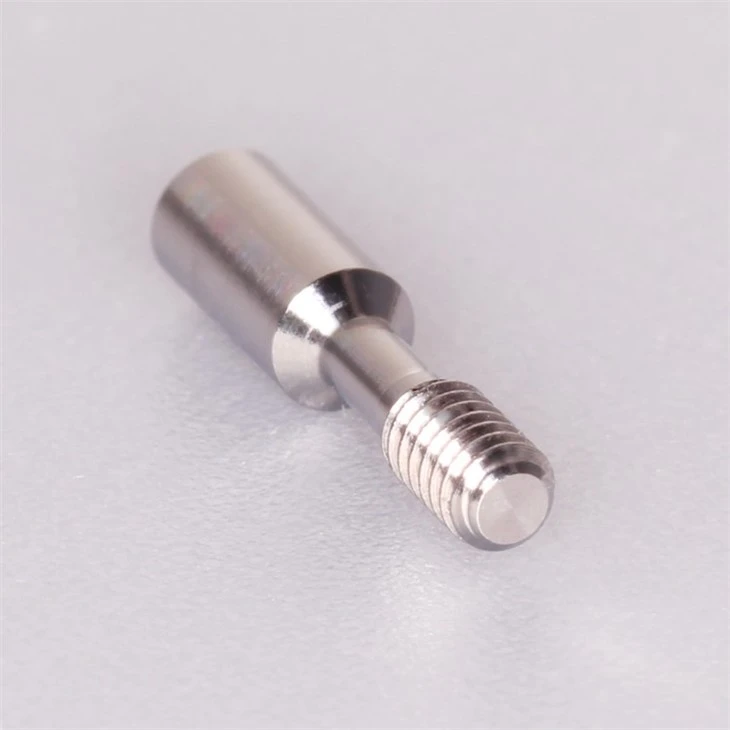
We offer a wide variety of implant options, which can meet the diverse needs of dental professionals and their patients. Our team of experts is always available to provide technical support and guidance on product selection.
If you are a dental professional or a clinic looking for reliable screw dental implants and related parts for replacements, we would be delighted to engage in a procurement discussion with you. We look forward to partnering with you to ensure successful dental implant procedures.
References
- Albrektsson, T., & Zarb, G. A. (1993). The long - term efficacy of currently used dental implants: a review and proposed criteria of success. International Journal of Oral and Maxillofacial Implants, 8(5), 391 - 401.
- Buser, D., Martin, W., & Belser, U. C. (2004). Optimizing esthetics for implant restorations in the anterior maxilla: anatomic and surgical considerations. The International Journal of Oral & Maxillofacial Implants, 19(Suppl), 43 - 61.
- Misch, C. E. (2018). Contemporary implant dentistry. Elsevier Health Sciences.